

By Zelam Chaubal, Kesari Tours
India’s tourism industry is undergoing a remarkable transformation. Once dominated by spiritual pilgrimages and family vacations, the Indian travel landscape today reflects ambition, aspiration, and global engagement like never before.
According to the India Brand Equity Foundation (IBEF), India’s tourism sector has emerged as one of the fastest-growing industries, with significant potential for the future. The World Travel & Tourism Council (WTTC) reports that travel and tourism contributed US$ 199.6 billion to India’s economy—and recent estimates reveal the sector has now crossed the trillion-dollar mark, marking India as a rising giant in global travel.
India’s travel journey began with deep-rooted spiritual tourism—families visiting temples, pilgrimages to the Char Dham, or iconic circuits like Kashmir se Kanyakumari tak. The 80s and 90s saw the rise of group tours, women-only holidays, and organised social tours. Then came the boom in international travel, particularly in the late 90s and early 2000s, as globalization and rising incomes opened the skies for Indian travellers.
What was once considered a luxury is now a lifestyle. Travel has evolved from a once-in-a-while indulgence to a regular and essential part of modern Indian life. Indians today plan holidays like they plan investments—carefully, frequently, and with purpose.
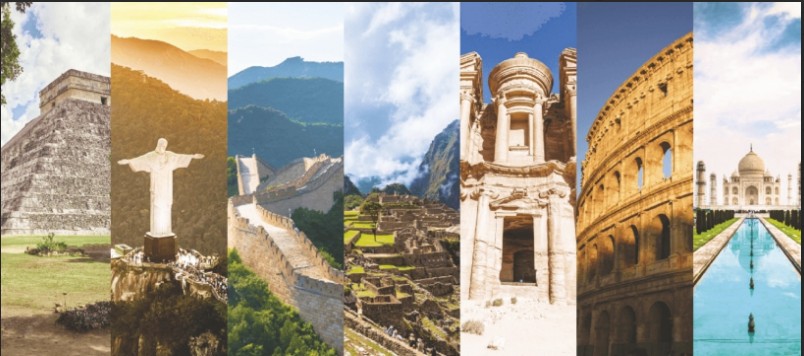
The Indian traveller has become more curious and experience-driven. Aspirations have exploded—people now dream not just of visiting the seven wonders of the world, but of walking all seven continents. From culinary holidays to heritage trails, from architecture tours to spiritual retreats, from bungee jumps in New Zealand to scuba diving in the Maldives—travel today reflects identity and intent.
There’s also a growing tribe of travellers with niche interests—farmers exploring agri-tech in Europe, jewellers visiting global trade shows, sports lovers flying out for Wimbledon, World Cups, and the Olympics, and fitness buffs joining marathons and triathlons across continents.
The millennial and Gen Z generations are redefining travel. Having grown up in a globally connected world, they are digital-first, value-focused, and experience-hungry. Platforms like Airbnb, Work-from-Anywhere models, and budget airlines have made spontaneous, immersive travel not only possible—but popular.
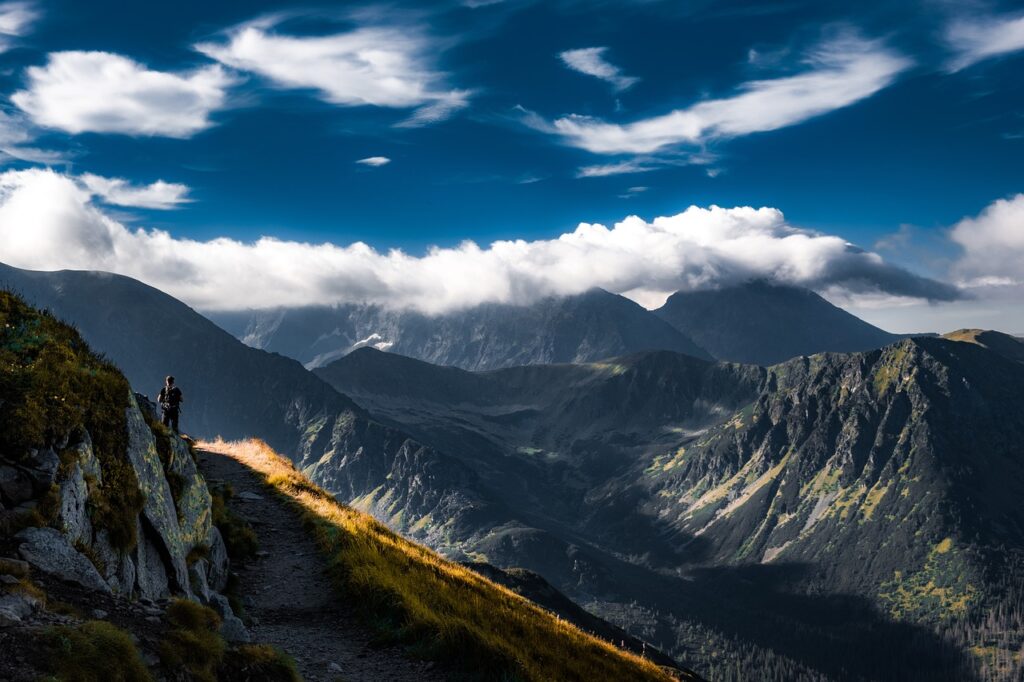
These travellers don’t just seek destinations—they seek stories. They’re backpacking through Europe, volunteering in Africa, hiking in the Himalayas, and food-hopping across Southeast Asia.
Globally, India is being recognised as a key outbound tourism market. Indians are now among the top five inbound nationalities in destinations such as Singapore, Malaysia, Thailand, Australia, New Zealand, and parts of Europe. With over 1.4 billion people and an expanding middle class, India’s outbound travel market is too significant for the world to ignore.
A decade ago, only a few national tourism boards operated in India. Today, nearly every major tourism board has a dedicated presence in the country—testimony to India’s growing influence in shaping global tourism trends.
While outbound tourism grows rapidly, inbound travel to India is also witnessing a resurgence. In 2023, India welcomed 18.89 million international tourists, surpassing the pre-pandemic high of 17.91 million in 2019. These visitors include both foreign travellers exploring India’s culture and heritage, and diaspora tourists reconnecting with their roots.
From the snow-capped Himalayas to the sandy beaches of Goa, from royal palaces in Rajasthan to the backwaters of Kerala, India’s tourism appeal is now global.
The Indian tourism industry stands at an exciting crossroads—powered by youth, fuelled by aspiration, and shaped by technology. As both an inbound and outbound powerhouse, India is not just travelling the world—it’s also inviting the world to experience its own incredible diversity.
In this new era, travel is no longer a luxury for Indians—it’s a way of life. And the world is taking notice.